
新加坡遗嘱原件缺失,涉及双重国籍人士的内地遗产如何处理——隆安广州2025年度重大业务成果之一
Handling Cross-Border Inheritance with Missing Singapore Testament: Case Study of Longan Guangzhou's Major 2025 Business Achievement
新加坡遗嘱原件缺失,涉及双重国籍人士的内地遗产如何处理——隆安广州2025年度重大业务成果之一
Handling Cross-Border Inheritance with Missing Singapore Testament: Case Study of Longan Guangzhou's Major 2025 Business Achievement
摘要:随着高净值人士财产配置、身份规划、工作生活等具备了跨境因素,叠加中资企业出海的大趋势,导致涉及内地财产处理的涉外遗嘱纠纷不断增多,在这不断增多的现实情景下,如何妥当地利用遗嘱实现身后财产安排,这是个复杂且有探究意义的课题。笔者借由经办的真实案例,重点剖析涉外遗嘱原件缺失时位于内地的遗产如何处理这一实务问题,从案情介绍-法理分析-实务操作亮点-感悟体会这四个部分依次论述,希望能从案例出发、以小见大,展现涉外遗嘱中常见法律争议的部分样貌;也希望进一步警醒高净值人士的跨境遗嘱订立事宜,通过合理合规、因地制宜的框架设计,最终实现财富传承的平稳、有序及效率。
一、案情介绍
事实上具有新加坡和中国双重国籍的A于2022年12月在新加坡死亡,被继承人生前未与他人签订遗赠扶养协议,但其生前在新加坡立有遗嘱,遗嘱当中确定了不动产、动产的归属及份额,也确定了遗嘱执行人。A除了在新加坡、马来西亚、香港等地留有遗产之外,在广东省内留有不动产、银行存款价值总计约3000万。但在境内办理遗产继承时,因继承人未找到遗嘱原件,国内部分公证处无法对该新加坡遗嘱进行确认,无法办理继承权公证;又因国内遗产管理人制度配套不成熟,该份遗嘱中确认的遗产管理人又无法正常履职;还因继承人之间无实质争议,又无法直接通过司法程序进行确认。继承人们一筹莫展,无从下手。
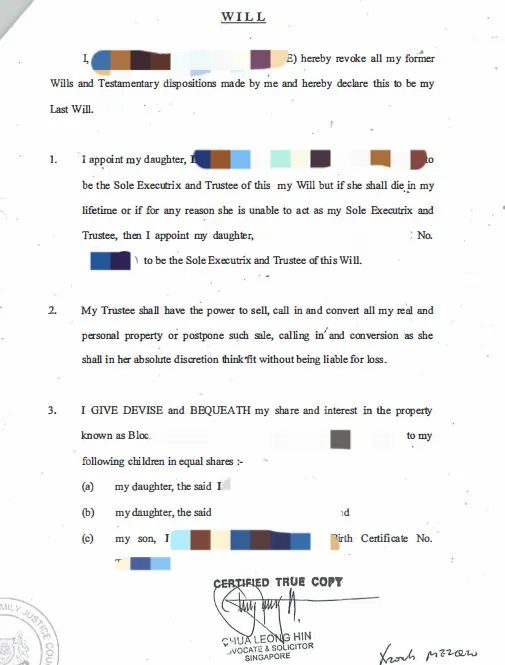
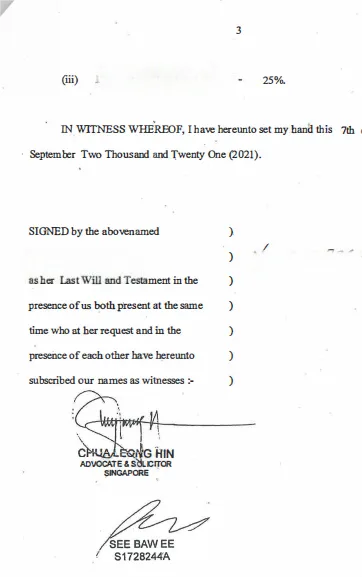
具体而言,该份遗嘱从内容上看,依次明确了遗嘱执行人的人选及替换、遗嘱执行人的权限及职责、新加坡房产的归属及份额、全球银行存款的归属及份额、全球其他财产的归属及份额。一份遗嘱、简单几百字,企图处理财产类型不一、涉及不同法域的继承问题,可想而知困难与挑战在后续实操中就不少。但对比其他传承工具,遗嘱具备成本较低、灵活方便、私密等优势
,即使是面对日益发展完善的信托、保险等金融工具,也有鲜明的比较优势。
二、法理分析
在进入实务操作之前,我们需要对该案的整体情况进行法律分析,用以把握基本方向:

1
该份遗嘱的定性
首先,我们需要解决定性问题。
根据《涉外民事关系法律适用法》第8条的规定,定性的问题适用法院地法,也即我们可以通过我国法律对该涉外遗嘱进行案由、性质的确认。又根据《最高人民法院关于适用〈中华人民共和国涉外民事关系法律适用法〉若干问题的解释(一)》(以下简称涉外民事关系法律适用法司法解释一)第一条的规定,可以从当事人的国籍或经常居住地、标的物所在地、法律事实发生地等因素判断相关事实是否属于涉外纠纷。结合本案来看,无论是国籍或经常居住地,还是标的物所在地或遗嘱订立地均具备涉外因素,所以本案为涉外遗嘱。
需要特别注意的是,在本案中,被继承人的国籍为事实上的双重国籍,即具备中国国籍以及新加坡国籍,但依据两国的国籍法,均不承认法律上的双重国籍、否认对方国籍。
我国《国籍法》第九条规定:定居外国的中国公民,自愿加入或取得外国国籍的,即自动丧失中国国籍。但就定居这一事实的认定,缺乏国内国外相关出入境管理机关的事实查明及权威认定,且本案当事人一家本身是因为躲避当时发生的新冠疫情,进而前往新加坡居住,被继承人还在广东省多地购置了不动产,且仍在某地领取退休待遇并时常基于热情参与相关业务运营。“定居”这一法律概念在理论界及实务界形成通说认为,需要满足“体素”与“心素”两个条件,固定居住某一国家仅可以作为“定居”的初步证据及证据链中之一环。所以本案中的继承人反馈相关问题到国内出入境管理部门时,相关部门并未做出行政认定。但这也提醒着事实上具有双重国籍人士在2026年之后将会面临新治安管理处罚法等行政法律的合规考验,罚款乃至拘留等行政处罚措施可能今后离双重国籍人士越来越近,那种只要完成身份规划即可万事大吉的思想已无生存土壤。

2
该份遗嘱的形式要件
根据《涉外民事法律关系法律适用法》第32条之规定,遗嘱方式,符合遗嘱人立遗嘱时或者死亡时经常居所地法律、国籍国法律或者遗嘱行为地法律的,遗嘱均为成立
。新加坡《遗嘱法》(Wills Act)第5条也是大致秉持同样的立法思路。而该案中,无论是立遗嘱时或者死亡时经常居所地法律、国籍国法律或者遗嘱行为地均是在中国法和新加坡法当中进行选择判断。从最大程度尊重遗嘱人遗嘱意愿的角度出发,只要有一国法律认可该份遗嘱的形式符合其规定,就算是其他法律得出否定其效力的结论,也不影响该份遗嘱适用有利于其成立的特定国法律。
另根据新加坡《遗嘱法》第6条之规定,遗嘱为书面文件,被继承人于遗嘱末尾签署,并在两位非受益人见证人同时在场的情况下签署,两位见证人亦分别在被继承人及彼此面前签名确认,该份遗嘱的形式要件符合新加坡法律。该份遗嘱实为两位律师根据被继承人的意愿打印形成,又根据我国《民法典》第1136条之规定,打印遗嘱应当有两个以上见证人在场见证,遗嘱人和见证人应当在遗嘱每一页签名,注明年、月、日。而该份遗嘱并未有见证人在每一页遗嘱上进行签署,也并未注明年月日,如果严格依照我国法律的话,该份遗嘱的形式不符合打印遗嘱的要件,也不符合其他形式的遗嘱,形式上不成立。综合分析来看,该份遗嘱的形式要件符合新加坡法律的规定,因此得以成立。

3
该份遗嘱的实质效力
根据《涉外民事法律关系法律适用法》第33条之规定,遗嘱效力,适用遗嘱人立遗嘱时或者死亡时经常居所地法律或者国籍国法律。
因为上述形式要件的检验已经认可新加坡法律的适用,所以针对遗嘱的实质效力直接通过新加坡法律进行再次检验即可。本案中,并未有明确证据证明被继承人丧失新加坡法项下的民事权利能力和行为能力,且其处分的也是其名下的资产,也不存在新加坡《遗嘱法》(Wills Act)第13条(因婚姻撤销)以及第15条(新遗嘱撤销)的情形,所以该份遗嘱符合新加坡法项下的实质效力。
但需要注意的是,因为存在夫妻财产所有制及其适用法律的问题,对本案中的遗嘱内容效力不能一概而论
,本案中存在被继承人与其丈夫在境内联名登记的不动产,银行账户虽登记在被继承人名下,但也需要经过夫妻财产关系的进一步检验、区分。在新加坡,无论是婚姻期间或遗嘱处理阶段,均适用分别财产制度
,即一方配偶在婚前或婚后所得之财产,在无明确赠予或转让意图的情况下,仍归该配偶个人所有。法律上没有推定夫妻共有财产的原则,只有在资产登记于夫妻联名(例如联名银行账户或联名持有的不动产)的情况下,才可能推定为共同财产。在没有联名或赠予等明确表示的前提下,该资产归登记人单独所有。在遗嘱继承的语境下,登记于一方配偶单独名下的不动产,仍属于该配偶的个人财产,不因其取得时间(婚前或婚后)而有所不同。是否构成“婚姻共同财产”的法律定义,仅适用于离婚或婚姻无效的情形,即依《1961 年妇女宪章》(Women’s Charter 1961)第 X 部分的相关规定。因此,在A女士去世后,所有单独登记于其名下的银行账户资金、房产依法构成其个人遗产,应依据其遗嘱条款进行继承分配。该些财产不适用共同财产分割规则,而应完全依据新加坡继承与遗产管理法律处理;对于被继承人与其合法丈夫之间联名登记的广东省内某处不动产,被继承人仅可处分其一半份额(在其丈夫无异议情况下)。
还需要讨论的是,被继承人处分其自有的财产,但并未给其丈夫预留任何其个人遗产。那么,当其丈夫是缺乏劳动能力又没有生活来源的人时,是否可以因为新加坡遗嘱违背我国《民法典》第1159条之强制性规定,进而产生部分无效、需强行调整其遗嘱内容的后果?该问题在理论界及实务界存在不同意见,大致可分为有效说与无效说。拙见以为,强制性规定应当也有适用范围,功利主义地溯及《民法典》第1159条的立法目的,该规范保护的秩序应当是我国境内的公序良俗,也即该被保护之人应当与我国境内产生一定关联,纯粹外国人在外国的抚养问题不构成我国法上的公序良俗。
本案中被继承人的丈夫,原本为新加坡籍且于新加坡长期工作,具有新加坡的社会保险,我国法律并无特别保护的必要,进而不必适用《民法典》第1159条去部分否定被继承人的遗嘱内容。
三、实务操作亮点
案件的成功处理,除了需要先在法理上确定论证基础,还需要密切关注实务操作
,因为在后者的过程中,法理上的问题也许不是问题,可以通过实务操作予以解决,但也可能会产生新的实务问题,而这是需要与相关当事人、公证处等主体进行深入沟通的部分。现将本案办理过程中的实务操作亮点予以归纳总结:
(一)给双重国籍人士的遗产继承提出了新思路。
由于我国及新加坡国籍法均不承认双重国籍,双重国籍人士的遗嘱继承在境内的遗产继承存在一定法律障碍和争议。笔者果断绕过该问题,将撰写的法律意见书作为专家证言提交给新加坡法院进行遗嘱认证,直接推动遗嘱先在新加坡法院获得遗嘱认证,排除该份遗嘱的实质争议,让国内公证处等机构更为放心处理境内的遗产;
(二)给涉外遗嘱中常见的遗产管理人的角色进行了创新转化。
涉外遗嘱中基本都会见到遗产管理人的设置,但由于我国现行的遗产管理人制度并不健全,无法按照遗嘱中所述的要点完全实现,且该份遗嘱中确定的遗产管理人为新加坡人,生活工作均在新加坡,实际履职也并不方便。笔者推动遗产管理人权限的转委托,在遗产管理人公证书出具的同时,辅以出具具体事项的全权委托公证书,部分化解遗嘱原本确定的遗产管理人履职困境;
(三)给涉外遗嘱中遗嘱原件缺失的法律问题提出了具体可行的新方法。
由于该份遗嘱的原件缺失,国内某些公证处就该法律风险存在畏难情绪,笔者主动提出可以“新加坡法院遗嘱认证书+新加坡律师法律意见书+全体继承人无任何争议确认书”进行组合,弥补遗嘱原件缺失的证据链条,获得认可;
(四)给涉外遗嘱案件中涉及境内遗产的诉讼与非诉结合运用进行了新的尝试。
由于该份涉外遗嘱处理的事项复杂、财产多样、地域不一,部分公证处存在畏难情绪时,
笔者便果断以确认遗产管理人之案由向广州市越秀区法院申请立案,将不动产登记中心、银行等主动添加为被告进行诉讼
。后在法院诉前调解的帮助下,笔者代表当事人多次与公证处、不动产登记中心、银行进行协商,最终在法院的公正平台上化解各自的疑惑,促进纠纷解决。
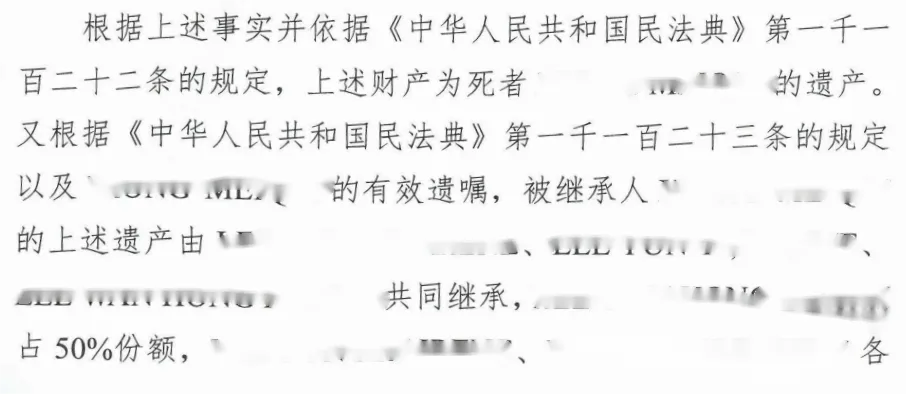
通过上述实务操作,遗嘱继承事项获得了广东省内两处公证处的认可,最终出具继承权公证书,继承人得以顺利继承境内银行存款以及不动产。
四、感悟体会
第一,跨境遗嘱中的遗嘱执行人/遗产管理人的设置问题。
该遗嘱内容中虽然有遗嘱执行人的设定,也明确规定了其权限,但由于我国遗嘱执行人/遗产管理人制度并不完善,还在发展中,遗嘱执行人/遗产管理人并不能顺畅履职,无法完全按照被继承人的意愿进行财产处理,所以在跨境遗嘱中涉及国内财产的处分需要特别谨慎,甚至在办理继承权公证、不动产过户时,相关主体均未特别予以关注及重视,现阶段我国境内的遗嘱执行人/遗产管理人在面对跨境遗嘱时仍具有相当无力感,故原则上不建议客户采用,针对不同区域/法系的财产应当建议客户做不同的、因地制宜的、定制化的考虑。就该问题的具体讨论参见笔者发表于《厦门大学法律评论》2025年第一辑的《从困境到创新:中国式遗产管理人制度的探索道路——美国<统一遗嘱检验法>之镜鉴》一文;
第二,遗嘱等关键、机密文件的保管问题。
本案中,如果继承人均重视对遗嘱原件的保管,那么便不会衍生出如此多的新问题。所以,在跨境资产规划和传承中,需要特别重视遗嘱、信托等文件的保存,是否采用纸质版或电子版?交由公证处或律师保管?是否要多处备份?为多少人所知或继承人如何发现特定文件、谁来通知?等等这些问题,除了法律设计,其实更多意义上是对人性的考验,而法律设计如果能够尽最大可能去衡量利益与调和人性,那么法律规划就有很大希望得以最终顺利落地实施;
第三,涉外遗嘱中所涉及的遗产变更或者移转仍缺乏统一标准,导致继承人办理的时间、金钱成本增加,有人为自创操作的灵活空间。
庆幸的是,本案几位继承人对财产的归属及分配并无实质争议,一旦产生争议,则长达数年的跨境诉讼必不可少,耗时耗力。另外,不动产登记中心的办理流程和要求也并未完全公开、透明,在本案中因为继承人需要处理涉及几地的多份海牙认证文件,导致其递交的经新加坡法律学会认证的遗嘱版本与国内公证处出具继承权公证的遗嘱版本在落款时间上并不一致。从实质意义上讲,该问题无伤大雅,因为遗嘱内容确定且唯一,而且国内公证处已经出具继承权公证,可以直接依据公证处出具的文件办理不动产登记过户。但因为工作人员一再坚持要出具时间一致的版本,而当事人一方又无法立即重新办理翻译公证件,令人滑稽的是,最终双方拉扯的结果就是当事人自己手写翻译并签字捺印,其实翻译的结果是当事人在工作人员的面前重新按照经新加坡法律学会认证的遗嘱版本进行誊抄,耗时一小时。最后,如果存款账户与被继承人的社保工资账户是在同一家银行的不同分支机构时,部分银行要求去被继承人社保工资账户的开户行办理整体存款继承事宜,如中国工商银行广州分行。但该项规定并无明确法律法规予以佐证,仅是工商银行自己的内部规定,但并未在开户时予以明确提醒,属于格式条款,此应当由金融管理局、银保监会等主体予以整治和明确规定。
I. Case Introduction
A, who фактически had dual citizenship of Singapore and China, died in Singapore in December 2022. The decedent had not entered into any support agreement with others during their lifetime, but had executed a testament in Singapore determining the ownership and shares of real and movable property, as well as naming an executor. In addition to property in Singapore, Malaysia, Hong Kong and other locations, A left real estate and bank deposits in Guangdong Province totaling approximately 30 million yuan. However, when handling inheritance in the mainland, because heirs could not find the original testament, some mainland notary offices could not confirm the Singapore testament, making it impossible to handle inheritance notarization. Additionally, due to the immature supporting systems for domestic estate administration, the estate administrator confirmed in the testament could not properly perform duties. Furthermore, because there was no substantial dispute among heirs, there was no way to directly proceed through judicial procedures for confirmation. The heirs were completely at a loss.
The testament clearly specified in sequence: the executor candidate and replacement, the executor’s authority and duties, ownership and shares of Singapore property, ownership and shares of global bank deposits, and ownership and shares of other global property. A single testament, just a few hundred words, attempting to handle property types across different legal jurisdictions presented considerable difficulties in subsequent practical operations.
II. Legal Analysis
A. Characterization of the Testament
According to Article 8 of the Law on Application of Laws to Foreign-Related Civil Relations, characterization is governed by the law of the forum. Additionally, according to the Supreme People’s Court’s Interpretation (I) on the Application of the Law on Foreign-Related Civil Relations, relevant facts can be determined as involving foreign-related disputes based on factors such as the parties’ nationality or habitual residence, location of the subject matter, or location where legal facts occurred. In this case, all factors including nationality, habitual residence, location of subject matter, or testament execution location have foreign-related elements, making this a foreign testament case.
An important note: in this case, the decedent had de facto dual citizenship of China and Singapore, but according to both countries’ nationality laws, neither legally recognizes dual citizenship or acknowledges the other country’s nationality. According to Article 9 of China’s Nationality Law: Chinese citizens who have settled abroad and voluntarily acquire or have acquired foreign citizenship automatically lose Chinese citizenship. However, regarding the determination of “settlement,” there is a lack of factual investigation and authoritative determination by domestic or foreign exit-entry administration authorities, and the decedent’s family went to Singapore to avoid the COVID-19 pandemic. The decedent also purchased real estate in multiple locations in Guangdong and still received retirement benefits in a certain location. The legal concept of “settlement” requires satisfying both “physical element” and “mental element,” and fixed residence in a country can only serve as preliminary evidence.
B. Formal Requirements of the Testament
According to Article 32 of the Law on Application of Laws to Foreign-Related Civil Relations, testament form is valid if it complies with the law of the decedent’s habitual residence or nationality at the time of execution or death, or the law of the place of testament act. Singapore’s Wills Act Section 5 adopts similar legislative approach. From the perspective of maximum respect for the testator’s wishes, as long as one country’s law recognizes the testament’s form as compliant, it does not affect the testament’s validity under the favorable law.
According to Singapore’s Wills Act Section 6, a testament must be a written document, signed by the decedent at the end of the testament, with two non-beneficiary witnesses present and signing in the presence of each other. The testament’s formal requirements complied with Singapore law.
C. Substantive Validity of the Testament
According to Article 33 of the Law on Application of Laws to Foreign-Related Civil Relations, testament validity is governed by the law of the decedent’s habitual residence or nationality at the time of execution or death. Since Singapore law was recognized for formal requirements examination, substantive validity can be re-examined under Singapore law. There was no clear evidence the decedent lacked civil rights capacity or capacity to act under Singapore law, and the property disposed was in the decedent’s name. Additionally, there were no circumstances under Singapore’s Wills Act Section 13 (marriage revocation) or Section 15 (new testament revocation).
However, due to marital property regime issues, testament content validity cannot be uniformly determined. In Singapore, both during marriage or testament processing phases, separate property systems apply. Property registered under one spouse’s name alone remains that spouse’s personal property regardless of whether acquired before or after marriage.
III. Practical Operation Highlights
A. New Approach for Dual Citizenship Heirs’ Inheritance
The firm bypassed the dual citizenship issue by submitting a legal opinion as expert testimony to the Singapore court for testament certification, directly promoting testament certification in Singapore first, removing substantive disputes, and giving domestic notary offices more confidence to handle mainland inheritance.
B. Innovative Transformation of Estate Administrator Role
Due to China’s immature estate administration system and the testament-named administrator being a Singapore citizen working and living in Singapore, practical performance was inconvenient. The firm facilitated the transfer of administrator authority through a general power of attorney issued simultaneously with the administrator notarization.
C. Feasible Method for Missing Original Testament
The firm proposed a combination of “Singapore court testament certification + Singapore lawyer legal opinion + all heirs’ no-dispute confirmation” to remedy the evidence chain for the missing original testament.
D. New Attempt Combining Litigation and Non-Litigation Approaches
When some notary offices expressed hesitation, the firm promptly filed a case with Guangzhou Yuexiu District Court with the case subject of confirming the estate administrator, adding the real estate registration center and banks as defendants. Through the court’s pre-litigation mediation, various concerns were resolved.
IV. Reflections
A. Testament Executor/Estate Administrator Setup in Cross-Border Testaments
Due to China’s imperfect testament executor/estate administration system, cross-border testament executors cannot smoothly perform duties. Clients are advised not to adopt this approach for domestic property.
B. Custody of Key Documents
If heirs had valued custody of the original testament, many new problems would not have arisen. In cross-border asset planning and inheritance, special attention should be paid to custody of testament and trust documents.
C. Lack of Unified Standards for Cross-Border Testament
The inheritance processing time and cost for heirs significantly increased due to inconsistent standards. Fortunately, the heirs had no substantial disputes over property ownership and distribution.
