
前沿研究 Frontier

行政诉讼案件跨区域司法管辖模式分析与律师实务提示

Analysis of Cross-Regional Judicial Jurisdiction Models in Administrative Litigation Cases and Practical Tips for Lawyers

预计阅读 14 分钟 14 MIN READ

前 言:

行政诉讼案件传统上采用被告行政主体所在地法院管辖的模式。由于该模式易受地方行政干预,公正性曾受到质疑。为此,探索行政诉讼案件跨区域司法管辖的改革应运而生。各地法院发挥地方司法能动性,积极实践施行集中管辖、异地审理等模式,不仅加强了对行政权力的司法监督,推动了司法资源的优化配置,更增强了公众对行政审判的信任,是我国司法体系现代化的重要举措。本文通过对最高院及各地法院相关行政管辖规定的梳理,总结出实务中行政诉讼案件跨区域司法管辖的几种不同模式,观察其在法律实践中的具体运用及存在的问题,以对律师在实务中应注意的要点作出提示。

一、 行政诉讼案件司法管辖改革背景

为减少地方政府对行政审判的干预,增强法院依法独立公正审理行政案件的能力,自 2013 年开始在最高人民法院(以下简称“最高院”)的统一指导下,各地方法院开展了一系列行政诉讼管辖的改革,改变以被告住所地为管辖法院的做法,探索法院跨区域管辖行政案件的新举措,初步建立了与行政区划适当分离的司法管辖体制。

2013 年 1 月 4 日,最高人民法院发布《关于开展行政案件相对集中管辖试点工作的通知》(法〔2013〕3 号),要求通过上级人民法院统一指定的方式,将部分基层人民法院管辖的一审行政案件,交由其他基层人民法院集中管辖。

2015 年 5 月 1 日,修订后的《行政诉讼法》第 18 条第 2 款规定:“经最高人民法院批准,高级人民法院可以根据审判工作的实际情况,确定若干人民法院跨区域管辖行政案件。”该条款内容在 2017 年修正的《行政诉讼法》中亦得到了保留。

2015 年 6 月 17 日,最高人民法院印发《关于人民法院跨行政区域集中管辖行政案件的指导意见》(法发〔2015〕8 号),要求:“行政案件集中管辖改革以普通人民法院为主,同时可以充分挖掘其他可利用司法资源,如铁路运输法院等。” “已经设立跨行政区划人民法院的北京、上海,可以逐步将行政案件向跨行政区划法院及两地铁路运输基层法院集中。”“非集中管辖法院的行政庭,可以审理当事人选择由本地法院审理的案件或者事实清楚、权利义务关系明确、争议不大且可以适用简易程序审理的案件,办理部分非诉行政申请执行案件,协助集中管辖法院办理有关委托事项。”

二、 各地法院行政诉讼跨区域管辖的模式

因行政诉讼相关立法和最高院的指导意见中未在顶层设计层面统一行政诉讼异地管辖的具体模式,而是赋予中高级人民法院自行探索设计的空间,各地法院在改革中探索出了多种跨区域管辖模式,呈现出多元化的发展态势。现就现行跨区域管辖模式及代表地区介绍如下:

(一) 一般集中管辖模式:集中于特定的基层法院或铁路运输法院管辖

1. 普通法院集中管辖

此种管辖模式系将在原本属于全市各基层法院管辖的一审行政案件统一指定到其中一个或者几个基层法院来进行集中管辖,承担集中管辖任务的基层法院辖区内行政案件依旧由该法院管辖。

代表地区:广东省深圳市

依据:《广东省深圳市中级人民法院关于实施行政案件集中管辖的公告》(2015 年 6 月 26 日发布)。

代表地区:江苏省南通市

依据:《南通市中级人民法院关于指定南通经济技术开发区人民法院集中管辖全市一审行政案件的公告》(2018 年 7 月 1 日施行)。

2. 铁路运输法院集中管辖

2015 年,最高人民法院发布《关于全面深化人民法院改革的意见———人民法院第四个五年改革纲要(2014-2018)》,明确将铁路法院改造为跨行政区划法院,铁路运输法院成为推进跨区域行政管辖的重要依托。由铁路运输法院集中管辖系将原本属于全市各基层法院或中级法院管辖的一审行政案件统一指定到对应级别的铁路运输法院进行集中管辖,以实现司法的“去地方化”。

代表地区:广东省广州市
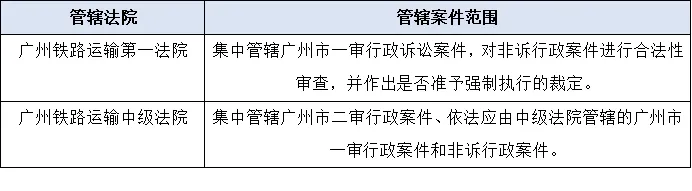
依据:广东省高级人民法院《关于我省铁路运输法院集中管辖广州市行政案件的公告》(2015 年 12 月 25 日发布)。

代表地区:黑龙江省
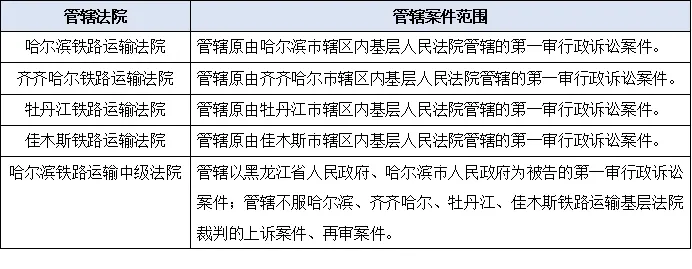
依据:《黑龙江省高级人民法院关于全省铁路运输两级法院跨行政区域管辖行政案件的公告》(2021 年 12 月 23 日发布)。

(二) 集中交叉管辖模式:集中管辖法院间进行交叉管辖

1. 普通法院集中交叉管辖

此种管辖模式系由几个普通法院集中管辖全市法院管辖的一审行政案件,同时集中管辖的几个法院间进行交叉管辖。

代表地区:山西省
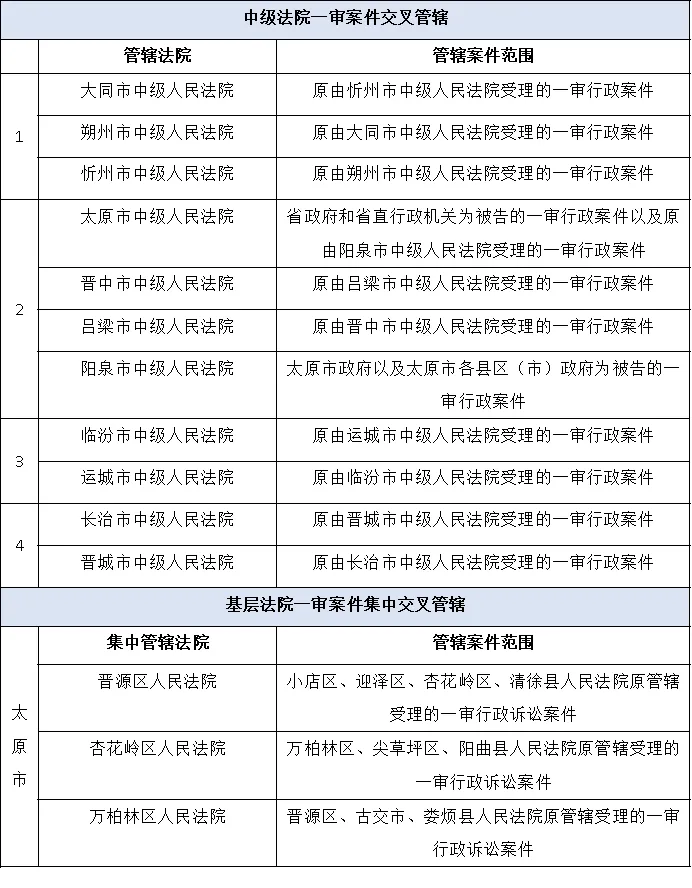
依据:《山西省高级人民法院关于跨行政区域集中管辖行政案件的公告》(2016 年 4 月 20 日发布)。

2. 普通法院和专门法院集中交叉管辖

此种管辖模式系指由几个普通法院和专门法院集中管辖一审行政案件,集中管辖的普通基层法院之间实施交叉管辖。

代表地区:上海市
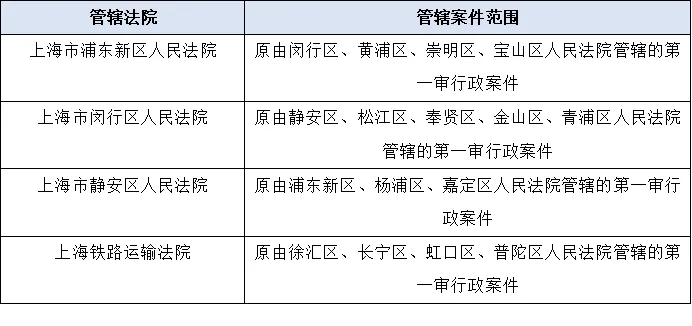
依据:《上海高院调整基层法院知识产权案件、行政案件和未成年人刑事案件集中管辖》(2018 年 7 月 1 日起施行)。

(三) 异地交叉管辖模式

此种管辖模式将普通法院管辖的行政诉讼案件(包括不动产专属管辖的案件)的管辖权交由原管辖地以外的人民法院行使。

代表地区:天津市南开区、红桥区、河东区、河西区
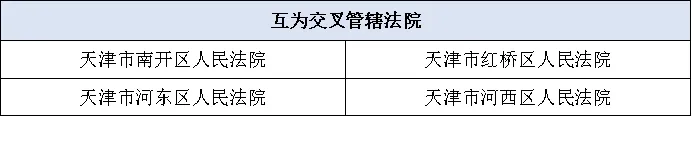
(注:知识产权一审行政诉讼案件除外) 依据:《天津市高级人民法院关于在本市部分基层人民法院开展行政诉讼案件异地管辖试点工作的公告》(2022 年 6 月 23 日发布)。

代表地区:海南省海口市(实施“轮转式”异地管辖)
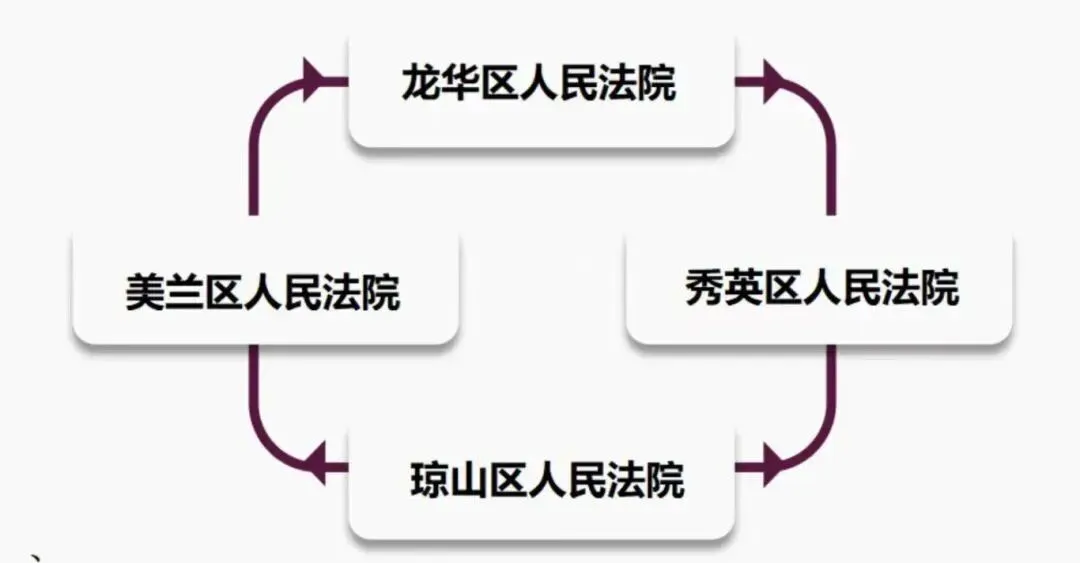
海口市各法院之间的管辖关系为:龙华→秀英→琼山→美兰→龙华。 依据:《海南省高级人民法院关于在全省开展行政案件跨行政区域异地管辖改革实施方案》(“海南高院”微信公众号 2022 年 4 月 8 日发布)。 [1]

(四) 当事人选择管辖模式

此种模式系赋予当事人以管辖选择权,准许原告在起诉时既可以选择行政机关所在地的法院管辖,也可以向其他基层人民法院或者铁路运输法院提起诉讼。

1. 选择同一片区的其他法院

当事人可以选择被诉行政机关所在地提起诉讼,也可以选择向同一片区的其他法院提起诉讼。

代表地区:山东省青岛市
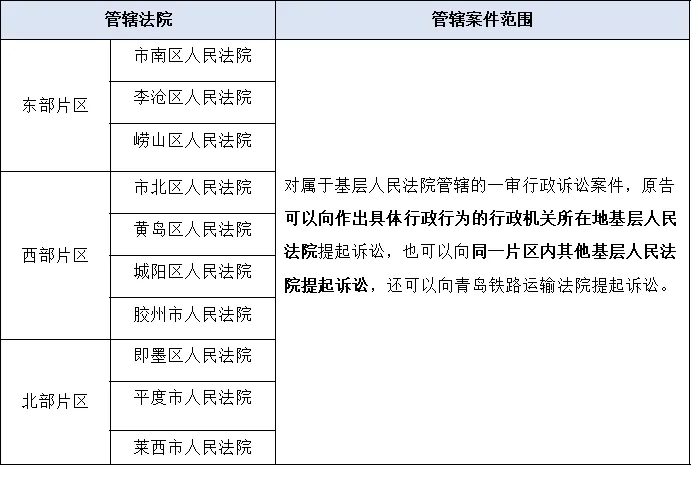
依据:《青岛市中级人民法院民事、行政案件级别管辖明白纸》(2022 年 3 月 30 日发布)。

2. 选择整个市级区域内的法院

代表地区:浙江省丽水市
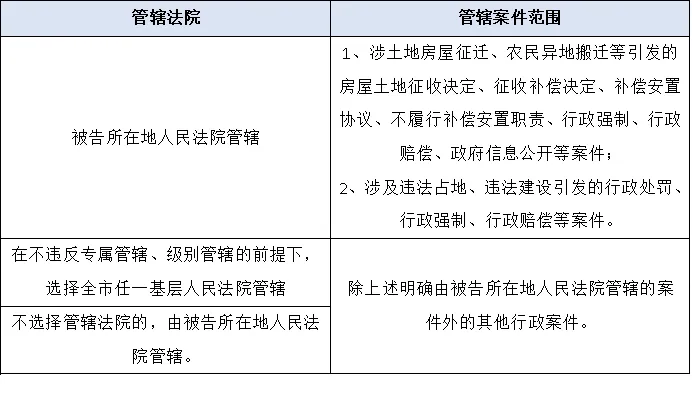
依据:丽水市中级人民法院《关于实施行政诉讼跨域管辖制度的意见》(2024 年 1 月 12 日发布)。

3. 属地管辖与异地管辖二选一

当事人可选择原管辖法院管辖,也可以选择异地集中管辖法院管辖。以属地管辖为原则,当事人选择异地交叉管辖为补充。

代表地区:浙江省杭州市 依据:《浙江省杭州市中级人民法院关于调整行政诉讼案件管辖的公告》(2024 年 1 月 1 日起实施)。

(五) 专业性强的行政案件集中管辖模式

对于专业性较强的行政案件,如知识产权类、涉税、海事、金融及互联网行政案件,在北京、上海、广州等存在专门法院的地区,主要集中于专门法院管辖,或由特定普通法院集中管辖,以提升审判专业度。

1. 知识产权类行政案件

代表地区:北京
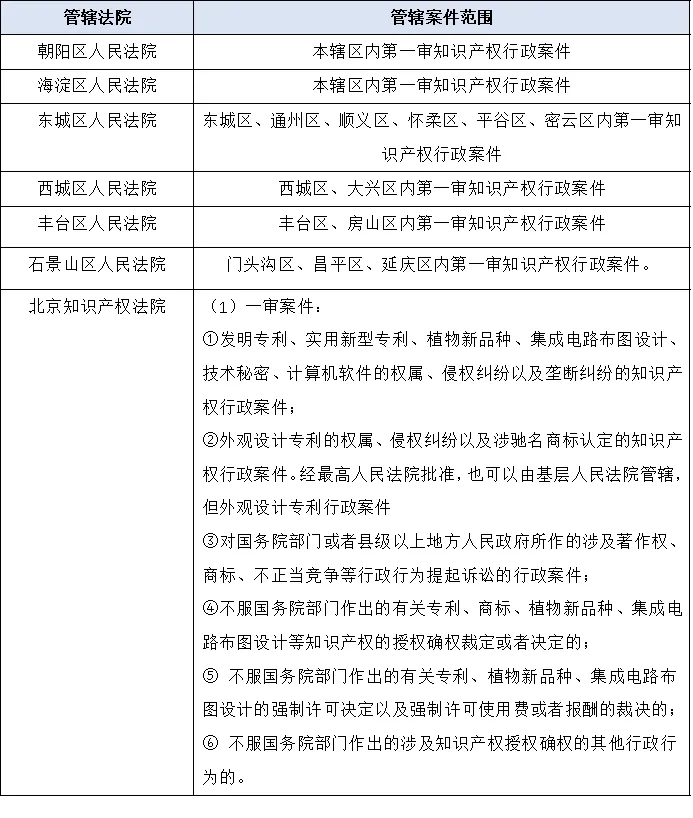
依据:最高人民法院《关于北京、上海、广州知识产权法院案件管辖的规定》(2021 年 1 月 1 日起施行)。

2. 海事类行政案件

代表地区:上海、江苏 依据:《上海市高级人民法院关于上海海事法院管辖海事行政案件的规定》(2017 年 1 月 4 日起施行);《江苏省高级人民法院关于依法确定海事行政案件受案范围的纪要》(2022 年 11 月 23 日施行)。

3. 税务类行政案件

代表地区:上海
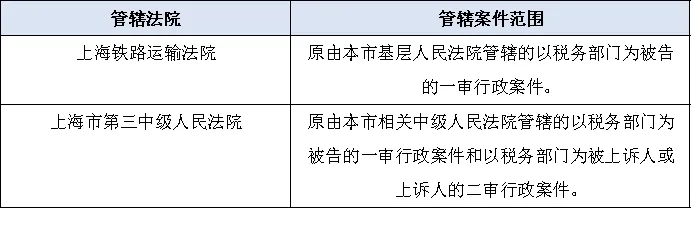
依据:上海市高级人民法院《关于本市以税务部门为当事人的行政案件集中管辖的规定》(2024 年 2 月 23 日起施行)。

4. 互联网类行政案件

代表地区:北京、广州、杭州、成都 依据:《最高人民法院关于互联网法院审理案件若干问题的规定》;《最高人民法院关于同意成都铁路运输第一法院内设专门审判机构并跨区域管辖部分互联网案件的批复》。

5. 金融类行政案件

代表地区:上海 依据:《最高人民法院关于上海金融法院案件管辖的规定》(2021 年 4 月 21 日起施行)。

6. 环境资源类行政案件

代表地区:内蒙古自治区
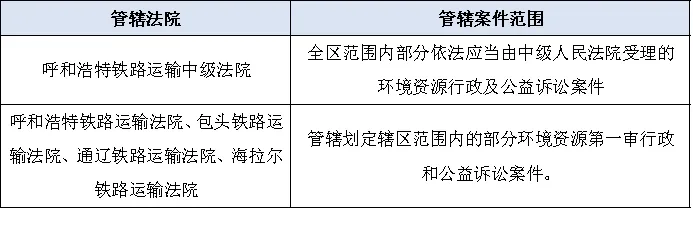
依据:《内蒙古自治区高级人民法院关于对全区法院部分环境资源案件实施集中管辖的公告》(2024 年 1 月 1 日施行)。

(六) 异地管辖的例外:属地管辖

某些施行异地交叉管辖的法院,对于部分行政纠纷(如因房屋、土地等不动产所引发的行政纠纷)一律实行属地管辖,不予适用异地交叉管辖。

代表地区:浙江省杭州市 下列行政案件一律实行属地管辖:

  1. 《行政诉讼法》第 20 条规定的因不动产提起诉讼的行政案件;
  2. 涉及土地房屋征收、搬迁引发的行政行为相关案件;
  3. 涉及违法占地、违法建设引发的行政行为相关案件;
  4. 其他不适宜适用异地交叉管辖的行政案件。

三、 律师视角下对行政诉讼异地管辖的实务提示

  1. 准确认定管辖法院。 因国家层面并无统一的标准,各地异地管辖模式具有多元化和多变性特征。在选择起诉法院时,需注意查询当地高级法院、中级法院的最新通知。对于不熟悉的外地法院,可联系该院立案庭予以核实,以免因管辖法院选择错误导致案件延误。

  2. 重视诉讼风险评估。 各地执行异地管辖的尺度不一。部分地区通过巡回审判点方式派驻法官,审判组织实质上并未脱离原行政机关所在地法院。此外,部分改革仅在局部地域试点。律师需对这些情形下可能存在的地方政府干预风险保持警惕,并客观评估司法环境。

  3. 帮助当事人做出最有利选择。 在当事人拥有管辖选择权的情况下,律师应通过查询各级法院的司法审判白皮书、官网法官介绍及裁判文书网,全面分析评估不同法院的行政审判专业能力和司法尺度。综合评估后,引导当事人选择更有利于案件公正、高效处理的法院。

注释: [1] 据悉,海口市 2024 年不再施行该“轮转式”管辖模式,仍以行政机关所在地法院作为管辖法院,具体以当地法院管辖口径为准。

Introduction:

The traditional model of administrative litigation jurisdiction based on the location of the defendant’s administrative entity has been questioned for potentially lacking impartiality due to possible local administrative interference. Therefore, reforms exploring cross-regional judicial jurisdiction for administrative litigation cases have emerged. Courts across the country have exercised local judicial initiative, actively implementing models such as centralized jurisdiction and hearings in different locations (异地审理), which have not only strengthened judicial supervision over administrative power and optimized the allocation of judicial resources, but also enhanced public trust in administrative trials. This represents an important measure in the modernization of China’s judicial system. This article reviews the Supreme People’s Court’s and various local courts’ relevant administrative jurisdiction regulations, summarizes several different models of cross-regional judicial jurisdiction for administrative litigation cases in practice, examines their specific application in legal practice and existing problems, and provides tips on key points that lawyers should note in their practice.

I. Background of Judicial Jurisdiction Reform for Administrative Litigation Cases

In order to reduce local government interference in administrative trials and enhance courts’ ability to independently and impartially hear administrative cases in accordance with the law, beginning in 2013, under the unified guidance of the Supreme People’s Court (hereinafter referred to as “SPC”), local courts have carried out a series of administrative litigation jurisdiction reforms, changing the approach of having the defendant’s domicile as the basis for jurisdiction and exploring new measures for courts to hear administrative cases across regions. This has initially established a judicial jurisdiction system that is appropriately separated from administrative divisions.

On January 4, 2013, the Supreme People’s Court issued the “Notice on Launching the Pilot Work of Relatively Centralized Jurisdiction of Administrative Cases” (Fa [2013] No. 3), requiring that, through the unified designation by higher-level people’s courts, certain first-instance administrative cases under the jurisdiction of some basic-level people’s courts be transferred to other basic-level people’s courts for centralized jurisdiction.

On May 1, 2015, Article 18, Paragraph 2 of the revised “Administrative Litigation Law” stipulated: “Upon approval of the Supreme People’s Court, a high-level people’s court may, based on the actual circumstances of its judicial work, designate several people’s courts to hear administrative cases across regions.” This provision was retained in the 2017 amendment of the “Administrative Litigation Law.”

On June 17, 2015, the Supreme People’s Court issued the “Guiding Opinions on Cross-Administrative-Region Centralized Jurisdiction of Administrative Cases by People’s Courts” (Fa Fa [2015] No. 8), requiring: “The reform of centralized jurisdiction of administrative cases should primarily involve ordinary people’s courts, while also fully exploring other available judicial resources such as railway transportation courts.” “In Beijing and Shanghai, which have already established cross-administrative-division people’s courts, administrative cases may be gradually centralized to cross-administrative-division courts and the railway transportation basic-level courts of both places.” “Non-centralized jurisdiction courts’ administrative divisions may hear cases where parties choose to have them heard by local courts, or cases where the facts are clear, rights and obligations are definite, and disputes are minor and may be heard under simplified procedures, handle some non-litigation administrative application execution cases, and assist centralized jurisdiction courts in handling related delegated matters.”

Related documents of the Supreme People’s Court on administrative litigation jurisdiction reform:

II. Models of Cross-Regional Jurisdiction of Administrative Litigation in Various Courts

Because the relevant legislation on administrative litigation and the SPC’s guiding opinions do not uniformly stipulate the specific model for cross-regional jurisdiction of administrative litigation at the top-level design level, but instead empower intermediate and higher people’s courts to explore and design on their own, various courts have explored multiple cross-regional jurisdiction models during the reform, showing a diversified development trend. The current cross-regional jurisdiction models and representative regions are introduced as follows:

03c636644dc43c6a013108be975b0c45

(I) General Centralized Jurisdiction Model: Centralized in Specific Basic-Level Courts or Railway Transportation Courts

1. Centralized Jurisdiction by Ordinary Courts

This jurisdiction model refers to the unified designation of administrative cases originally under the jurisdiction of all basic-level courts in a city to one or several basic-level courts for centralized jurisdiction. Administrative cases within the jurisdiction of the basic-level court undertaking centralized jurisdiction continue to be heard by that court.

Representative Region: Shenzhen City, Guangdong Province

“Announcement of Shenzhen Intermediate People’s Court of Guangdong Province on Implementing Centralized Jurisdiction of Administrative Cases” (published on June 26, 2015)

Representative Region: Nantong City, Jiangsu Province

“Announcement of Nantong Intermediate People’s Court on Designating Nantong Economic and Technological Development Zone People’s Court for Centralized Jurisdiction of First-Instance Administrative Cases Across the City” (effective July 1, 2018)

2. Centralized Jurisdiction by Railway Transportation Courts

In 2015, the Supreme People’s Court issued the “Opinions on Comprehensively Deepening the Reform of People’s Courts——The Fourth Five-Year Reform Outline of People’s Courts (2014-2018),” which explicitly transformed railway courts into cross-administrative-division courts. Railway transportation courts have become an important reliance for promoting cross-regional administrative jurisdiction. Centralized jurisdiction by railway transportation courts refers to the unified designation of administrative cases originally under the jurisdiction of all basic-level courts or intermediate courts in a city to the corresponding level of railway transportation courts for centralized jurisdiction, in order to achieve judicial “de-localization.”

Representative Region: Guangzhou City, Guangdong Province

Guangdong Provincial Higher People’s Court’s “Announcement on Railway Transportation Courts of Guangdong Province’s Centralized Jurisdiction of Administrative Cases in Guangzhou” (published on December 25, 2015)

Representative Region: Heilongjiang Province

“Announcement of Heilongjiang Provincial Higher People’s Court on Cross-Administrative-Region Jurisdiction of Administrative Cases by the Two-Level Railway Transportation Courts of the Province” (published on December 23, 2021)

(II) Centralized Cross-Jurisdiction Model: Cross-Jurisdiction Among Centralized Jurisdiction Courts

1. Centralized Cross-Jurisdiction by Ordinary Courts

This jurisdiction model refers to several ordinary courts centrally hearing first-instance administrative cases under the jurisdiction of all courts in the city, while implementing cross-jurisdiction among the several centralized jurisdiction courts.

Representative Region: Shanxi Province

“Announcement of Shanxi Provincial Higher People’s Court on Cross-Administrative-Region Centralized Jurisdiction of Administrative Cases” (published on April 20, 2016)

2. Centralized Cross-Jurisdiction by Ordinary Courts and Specialized Courts

This jurisdiction model refers to several ordinary courts and specialized courts centrally hearing first-instance administrative cases, with cross-jurisdiction implemented among the centralized jurisdiction ordinary basic-level courts.

Representative Region: Shanghai

“Shanghai High Court’s Adjustment of Centralized Jurisdiction of Intellectual Property Cases, Administrative Cases, and Minor Criminal Cases of Basic-Level Courts” (effective from July 1, 2018)

(III) Cross-Jurisdiction Model in Different Locations

This model transfers the jurisdiction of administrative litigation cases heard by ordinary courts (including cases subject to exclusive jurisdiction over immovable property) to people’s courts other than the original jurisdiction location.

Representative Regions: Nankai District, Hongqiao District, Hedong District, Hexi District, Tianjin

Except for first-instance administrative litigation cases involving intellectual property

“Tianjin Higher People’s Court’s Announcement on Conducting Pilot Work of Cross-Jurisdiction of Administrative Litigation Cases in Some Basic-Level People’s Courts of the City” (published on June 23, 2022)

Representative Region: Haikou City, Hainan Province—Implementing “Rotating” Cross-Jurisdiction

Jurisdiction relationships among courts in Haikou City:

Longhua → Xiuying → Qiongshan → Meilan → Longhua

“Hainan Higher People’s Court’s Implementation Plan for Cross-Administrative-Region Cross-Jurisdiction Reform of Administrative Cases Province-Wide” (published by “Hainan High Court” WeChat Official Account on April 8, 2022)[1]

(IV) Party Choice of Jurisdiction Model

This model grants parties the right to choose jurisdiction, allowing plaintiffs to either choose the court in the location of the administrative agency when filing a lawsuit, or file a lawsuit with other basic-level people’s courts or railway transportation courts.

1. Parties may choose to file a lawsuit in the location of the sued administrative agency, or choose to file with other courts in the same area

Representative Region: Qingdao City, Shandong Province

“Qingdao Intermediate People’s Court’s Guide to Civil and Administrative Case Jurisdiction by Level” (published on March 30, 2022)

2. Parties may choose courts within the entire municipal area

Representative Region: Lishui City, Zhejiang Province

Lishui Intermediate People’s Court’s “Opinions on Implementing the Cross-Jurisdiction System for Administrative Litigation” (published on January 12, 2024)

3. Parties may choose the original jurisdiction court or the cross-jurisdiction centralized jurisdiction court

Representative Region: Hangzhou City, Zhejiang Province

: Adhering to the principle of territorial jurisdiction with parties’ choice of cross-jurisdiction in different locations as a supplement.

“Hangzhou Intermediate People’s Court of Zhejiang Province’s Announcement on Adjusting Jurisdiction of Administrative Litigation Cases” (effective from January 1, 2024)

(V) Centralized Jurisdiction Model for Administrative Cases with High Professionalism

For administrative cases with high professionalism, such as intellectual property administrative cases, administrative cases with tax departments as defendants, maritime administrative cases, and financial administrative cases, in Beijing, Shanghai, Guangzhou, and other regions where specialized courts exist, these cases are mainly centralized to specialized courts (such as railway transportation courts, maritime courts, intellectual property courts, and financial courts), or centralized to specific ordinary courts, in order to enhance the professionalism of corresponding administrative trials.

1. Intellectual Property Administrative Cases

Representative Region: Beijing

Supreme People’s Court’s “Provisions on Case Jurisdiction of Beijing, Shanghai, and Guangzhou Intellectual Property Courts” (effective from January 1, 2021)

2. Maritime Administrative Cases

Representative Region: Shanghai—Centralized Jurisdiction by Shanghai Maritime Court

Shanghai Higher People’s Court’s “Provisions on Shanghai Maritime Court’s Jurisdiction over Maritime Administrative Cases” (effective from January 4, 2017)

Representative Region: Jiangsu Province—Centralized Jurisdiction by Nanjing Maritime Court

Jiangsu Higher People’s Court’s “Minutes on Legally Determining the Scope of Acceptance of Maritime Administrative Cases” (effective from November 23, 2022)

3. Tax Administrative Cases

Representative Region: Shanghai

Shanghai Higher People’s Court’s “Provisions on Centralized Jurisdiction of Administrative Cases with Tax Departments as Parties in This City” (effective from February 23, 2024)

4. Internet Administrative Cases

Representative Regions: Beijing, Guangzhou, Hangzhou—Centralized Jurisdiction by Internet Courts

Article 2 of the Supreme People’s Court’s “Provisions on Several Issues Concerning the Trial of Cases by Internet Courts” stipulates: “Beijing, Guangzhou, and Hangzhou Internet Courts have centralized jurisdiction over the following first-instance cases that should be accepted by basic-level people’s courts within their respective municipal jurisdictions: … (10) Administrative disputes arising from administrative acts by administrative organs regarding internet information service management, internet commodity trading, and related service management;”

Representative Region: Chengdu City—Chengdu Railway Transportation First Court’s Embedded Chengdu Internet Court Has Centralized Jurisdiction

The Supreme People’s Court’s “Approval on Agreeing to Chengdu Railway Transportation First Court’s Establishment of Specialized Trial Institution and Cross-Region Jurisdiction over Some Internet Cases,” clarifies that the Chengdu Railway Transportation First Court, with its specialized institution for hearing internet cases—the Chengdu Internet Court, has cross-administrative-region centralized jurisdiction over the following first-instance internet cases that should be accepted by basic-level people’s courts within the jurisdictions of Chengdu City, Deyang City, Meishan City, and Ziyang City:

: (7) Administrative disputes arising from administrative acts by administrative organs regarding internet information service management, internet commodity trading, and related service management;

5. Financial Administrative Cases

Representative Region: Shanghai—Centralized Jurisdiction by Shanghai Financial Court

First-instance financial administrative cases within Shanghai’s jurisdiction that should be accepted by intermediate people’s courts, where parties are dissatisfied with administrative acts by financial regulatory agencies and organizations authorized by laws, regulations, and rules in fulfilling their financial regulatory duties, are under the jurisdiction of the Shanghai Financial Court.

Appeals against judgments and rulings on financial administrative cases by Shanghai’s basic-level people’s courts, as well as retrial cases of financial civil and commercial cases and financial administrative cases that should be accepted by intermediate people’s courts within Shanghai’s jurisdiction, are tried by the Shanghai Financial Court.

Supreme People’s Court’s “Provisions on the Jurisdiction of Shanghai Financial Court Cases” (effective from April 21, 2021)

6. Environmental Resources Administrative Cases

Representative Region: Inner Mongolia Autonomous Region

“Announcement of Inner Mongolia Higher People’s Court on Implementing Centralized Jurisdiction of Some Environmental Resources Cases Across the Court’s Jurisdiction” (effective from January 1, 2024)

(VI) Exception to Cross-Jurisdiction: Territorial Jurisdiction

Some courts implementing cross-jurisdiction in different locations apply territorial jurisdiction for certain administrative disputes (such as disputes arising from immovable property such as houses and land) without exception, and do not apply cross-jurisdiction in different locations.

Representative Region: Hangzhou City, Zhejiang Province

The following administrative cases uniformly apply territorial jurisdiction without implementing cross-jurisdiction in different locations:

(1) Administrative cases of filing lawsuits regarding immovable property as stipulated in Article 20 of the Administrative Litigation Law;

(2) Administrative cases involving administrative decisions, compensation decisions, administrative agreements, administrative enforcement, administrative compensation, government information disclosure, and failure to perform compensation and resettlement duties arising from land and housing collection and relocation;

(3) Administrative cases involving administrative penalties, administrative enforcement, administrative compensation, government information disclosure, and failure to perform statutory duties arising from illegal land occupation and illegal construction;

(4) Other administrative cases not suitable for cross-jurisdiction in different locations.

323624616597c83004e1ea750106afb2

“Hangzhou Intermediate People’s Court of Zhejiang Province’s Announcement on Adjusting Jurisdiction of Administrative Litigation Cases” (effective from January 1, 2024)

III. Practical Tips on Cross-Regional Jurisdiction of Administrative Litigation from a Lawyer’s Perspective

  1. Accurately determine the jurisdiction court. Since there is no uniform national standard for cross-regional administrative jurisdiction, the cross-regional jurisdiction models established by various courts across the country show characteristics of diversification and variability. When choosing a court to file a lawsuit, one should check the latest notices from local higher courts and intermediate courts, and for unfamiliar foreign courts, one may contact that court’s filing office to confirm the current jurisdiction status, so as to avoid choosing the wrong jurisdiction court.

  2. Pay attention to litigation risk assessment. The standards for implementing cross-regional jurisdiction of administrative litigation cases vary across different localities. Some local courts actively implement cross-jurisdiction with better judicial environment for independent administrative trial and less resistance to making fair judgments, while in some localities, although cross-jurisdiction is implemented for administrative cases, the administrative division judges are stationed through circuit trial points, and they still work and hear cases at the court in the location of the administrative agency. Moreover, the administrative case trial organization is still the one that originally heard administrative cases for the original administrative agency’s location. In addition, some local courts only pilot cross-jurisdiction reform in some areas, while other areas outside the pilot still use the defendant’s location as the jurisdiction court. The above situations may still be difficult to avoid the influence of local government intervention, and possible litigation risks need to be clearly understood.

  3. Help parties make the most beneficial choices. When parties have the right to choose the jurisdiction court, one may consider checking the annual judicial trial white papers of various courts, judge introductions on court official websites, and the court judgment document network. Through comprehensive analysis and assessment of courts’ administrative trial capabilities and levels, one may then choose a court that better meets expectations, so that the represented cases can receive fairer and more efficient handling.

Notes:

[1] It is reported that Haikou City will no longer implement this “rotating” jurisdiction model in 2024, and will still use the court in the location of the administrative agency as the jurisdiction court. The specific jurisdiction standards of local courts shall prevail.