Civil Litigation Strategy for Bond False Statement Disputes
Civil Litigation Strategy for Bond False Statement Disputes
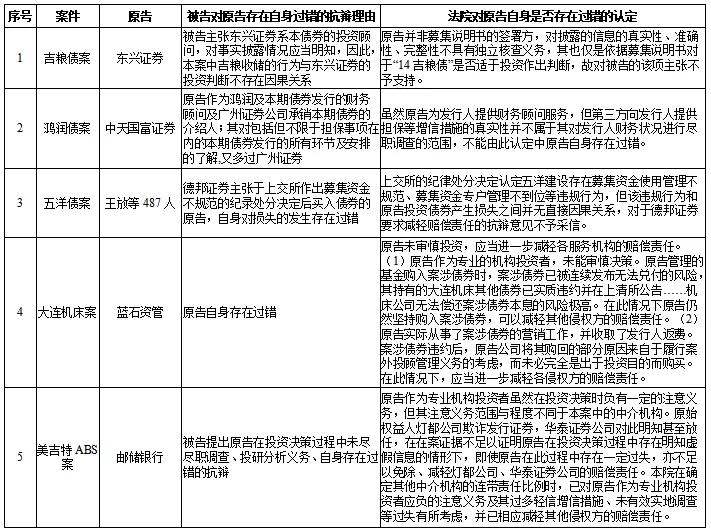
Bond false statement civil litigation refers to civil liability actions brought by investors against bond issuers, underwriters, and other responsible parties under Article 85 of the Securities Law, where false statements in bond prospectus documents cause losses to investors. This article analyzes the essential elements, litigation procedures, and key strategies for such cases.
Introduction
With the development of China’s bond market, bond false statement disputes have become increasingly common. Under Article 85 of the Securities Law, when false statements in bond prospectus documents cause investor losses, investors may bring civil litigation against issuers, underwriters, and other responsible parties. This article analyzes key litigation strategies.
I. Applicable Scope
Article 85 of the Securities Law applies to false statements in securities issuance and listing documents, including:
- Bonds publicly issued or traded on exchanges
- Corporate bonds
- Enterprise bonds
- Convertible bonds
- Other bond types recognized by the CSRC
II. Essential Elements
1. False Statement Exists
A false statement means any misleading, false, or incomplete disclosure in prospectus documents, including:
- False记载 (False recordings): Falsely stating facts that did not exist
- 误导性陈述 (Misleading statements): Statements that could mislead investors
- 重大遗漏 (Material omissions): Omitting facts that should be disclosed
2. The False Statement Is Material
The statement must be material, meaning it could significantly affect investors’ investment decisions. Courts typically assess materiality based on whether a reasonable investor would consider it important.
3. Causal Connection
Investors must establish a causal connection between the false statement and their losses. Courts generally apply the “but-for” test: but for the false statement, the investor would not have made the investment at the same price.
4. Investor Losses
Investors must demonstrate actual losses caused by the false statement, typically measured by the price difference between purchase and subsequent sale or maturity.
III. Defendants
Defendants may include:
- Bond issuers (companies)
- Underwriters
- Directors, supervisors, and senior management of issuers
- Certified accountants and legal counsel involved in bond issuance
- Other responsible parties
IV. Key Strategies for Investors
1. Evidence Collection
Investors should gather: purchase records, bond prospectus documents, issuer announcements, trading price data, and any evidence of false statements.
2. Quantifying Losses
Loss calculation methods include:
- Price differential method: Purchase price minus sale/recovery price
- Return differential method: Compare actual returns to expected returns
- Market price method: Compare price movements of affected bonds to market benchmarks
3. Class Action Considerations
Individual investors may benefit from coordinated litigation or class action procedures for efficiency and consistency.
4. Statute of Limitations
The statute of limitations for bond false statement claims is generally three years from when the investor knew or should have known of the violation and resulting losses.