
In-Depth Analysis of the UK's Latest Sanctions Compliance Guide: How Chinese Enterprises Can Address New Cross-Border Compliance Challenges
In-Depth Analysis of the UK's Latest Sanctions Compliance Guide: How Chinese Enterprises Can Address New Cross-Border Compliance Challenges
On June 27, 2025, the UK Foreign, Commonwealth & Development Office issued sanctions compliance guidance for non-UK businesses, aimed at helping third-country enterprises identify and avoid circumventing UK sanctions on Russia. The guidance clarifies typical circumvention scenarios such as indirect transportation and concealing end users, and notes that non-UK enterprises participating in circumvention activities or having specific connections to the UK may face serious consequences including asset freezes and loss of international cooperation opportunities. UK sanctions on Russia primarily cover financial sanctions (freezing designated persons' assets) and trade sanctions (embargoed goods and services restrictions). The guidance recommends that Chinese enterprises strengthen pre-transaction due diligence and "red flag" screening, establish compliance management systems incorporating high-level coordination, contractual safeguards, and dynamic monitoring, and continuously track updates to the UK sanctions list to effectively mitigate compliance risks.
Introduction:
On June 27, 2025, the UK government released a new sanctions compliance guide, developed by the Foreign, Commonwealth & Development Office, aimed at helping non-UK and non-Russian third-country enterprises (hereinafter “non-UK enterprises”) avoid circumventing UK sanctions against Russia. Its core purpose is to ensure that enterprises with business links to the UK clearly understand and strictly comply with UK sanctions regulations on Russia, avoiding serious consequences from violations[1].
The guide was issued against the backdrop of unprecedented sanctions imposed by the UK and its international partners in response to Russia’s invasion of Ukraine, imposing extensive restrictions on Russia-related trade and economic activities. Therefore, to assist non-UK enterprises in understanding and complying with UK sanctions against Russia, the guide explains circumvention behaviors, scope of sanctions subjects, risks faced by non-UK enterprises, and UK sanctions measures against Russia.

(Source: Reuters)
I. Interpretation of the Guide Content
(I) What Conduct Constitutes Sanctions Circumvention?
The guide notes that Russia continues to procure Western military, dual-use, and other key supplies from third countries through means such as indirect shipping routes, falsified end-use documentation, and specialized evasion networks. The guide lists the following examples of conduct constituting sanctions circumvention:
-
Russian importers place orders with non-UK enterprises to obtain goods that cannot be directly obtained from the UK due to sanctions.
-
Non-UK enterprises order goods from UK suppliers without notifying the supplier or relevant parties, such as banks, insurance companies, shipping companies, that the end users of these goods are in Russia.
-
UK suppliers export goods to non-UK enterprises located in third countries, which then re-export them to Russia.
In essence, the above examples describe conduct that, in the transaction chain, assists Russia in obtaining goods restricted by sanctions. The guide also reminds that related risks affect all relevant parties in the entire supply chain, regardless of the form or scale of their participation.
For Chinese enterprises, cross-border traders, freight forwarders, and logistics companies may be highly likely to participate in relevant supply chains. If they assist in receiving orders from Russian importers, re-selling or transporting sanctioned Russian-prohibited goods to Russia, or engage in transactions involving Russian entities without reporting, this may constitute sanctions circumvention.
(II) Who Must Comply with UK Sanctions Regulations?
The guide notes that compliance obligations under UK sanctions laws primarily target UK persons. Unless specific conditions are met, the UK generally does not take civil or criminal enforcement action against foreign entities. However, if non-UK enterprises engage in sanctions circumvention, they may still be subject to UK sanctions, affecting their business operations. Specific conditions include:
01
Involving UK Nationals and Entities
-
UK national employees or directors in non-UK enterprises.
-
UK-registered companies (including their overseas non-independent branches)
-
Overseas subsidiaries of UK-registered companies, if any of the following circumstances exist:
-
Conducting part of their business in the UK, such as traveling to the UK for negotiations, signing contracts;
-
Purchasing insurance, banking, clearing, or legal services in the UK market and using them overseas.
-
02
Specific Third-Country Enterprises
- Involvement in UK-prohibited sanctions circumvention activities.
Therefore, even if a Chinese company has no UK employees or UK shareholders in its equity structure, if it participates in UK-prohibited sanctions circumvention activities, it may still face UK sanctions, resulting in loss of business opportunities with UK and international partners. If the Chinese company employs UK nationals, it must ensure these employees do not participate in any sanctions circumvention activities to avoid their engaging in UK-prohibited circumvention conduct under company instructions and facing UK civil or criminal penalties.
(III) What Are the Main UK Sanctions Against Russia? What Are the Risks for Chinese Enterprises?
The guide notes that compliance obligations under UK sanctions laws primarily target UK persons. Unless specific conditions are met, the UK generally does not take civil or criminal enforcement action against foreign entities. However, if non-UK enterprises engage in sanctions circumvention, they may still be subject to UK sanctions, affecting their business operations.
Among UK sanctions against Russia, the measures most relevant to non-UK enterprises are primarily financial sanctions and trade sanctions—the two areas non-UK enterprises should mainly focus on during operations.
01
Financial Sanctions
Financial sanctions involve freezing the assets of designated persons and entities (hereinafter “Designated Persons”), cutting off their access to funds and business opportunities. Such Designated Persons are listed on the UK sanctions list. In terms of compliance requirements for non-UK enterprises, this means
non-UK enterprises cannot transfer or benefit UK suppliers’ goods or services to Designated Persons.
These sanctions apply not only to Designated Persons listed on the UK sanctions list but also to entities controlled by Designated Persons. The meaning of “control” includes:
-
Entities in which Designated Persons directly or indirectly hold 50% or more of shares or voting rights
-
Entities where Designated Persons have the right to directly or indirectly appoint or remove the majority of board members; or
-
It can be reasonably expected that Designated Persons will be able to ensure that the entity’s affairs are conducted in accordance with their wishes.
In practice, verification of transaction counterparties can be conducted from the following three perspectives:
| Verification Key Point | Verification Content |
|---|---|
| Sanctions List Screening | Search names and addresses against the OFSI UK sanctions list, check aliases, dates of birth, etc. If the address matches the sanctions list but the name does not, consider whether shell companies or trust and corporate service providers are being used, requiring further investigation. |
| Ownership Structure Check | Identify shareholders at all levels up to the ultimate controller; if any shareholder is a Designated Person, further check for 50% or more shareholding or other means of control. |
| Cross-Reference Intelligence | Cross-check whether the party is involved in investigations or administrative measures by jurisdictions such as the EU, US, UN, etc. |
Of course, in specific circumstances (such as humanitarian or debt settlement scenarios), transactions with Designated Persons may be possible through general licenses or specific licenses issued by the UK government.
For example, if Chinese Company A re-sells goods from the UK to Russian Company B, and two of Company B’s shareholders are UK-designated persons holding more than 50% of Company B’s equity, then if the Chinese company continues to supply goods to Company B, it may be deemed by the UK to be indirectly supporting sanctioned entities and face UK sanctions. Therefore, before engaging in Russia-related or UK-related transactions, Chinese enterprises should conduct the following two checks on transaction counterparties:
-
Is any party to the transaction a Designated Person on the UK sanctions list?
-
Is any party to the transaction controlled by a Designated Person?
02
Trade Sanctions
In addition to targeted sanctions, the UK has also imposed broad trade sanctions on Russia covering most goods and services. For such goods and services, specific types of transactions are prohibited, including: directly or indirectly exporting sanctioned goods from the UK to Russia; directly or indirectly importing Russian sanctioned goods into the UK; transferring specific technologies to Russia; providing technical assistance related to sanctioned goods; directly or indirectly providing financial services or funds related to sanctioned trading activities to Russian-related persons. The above activities may involve
participation by non-UK enterprises. Therefore, Chinese enterprises need to monitor goods and services covered by UK sanctions on Russia and, when engaging in Russia-related transactions, identify relevant high-risk goods and services.
① Goods Covered by Sanctions
Prohibited goods are specified in the Common High Priority List (CHPL)[2] jointly compiled by the UK, US, EU, and Japan. It should be noted that the CHPL does not include all sanctioned goods; enterprises should still refer to other UK sanctions lists against Russia. Of course, if goods are on the CHPL list, special attention should be paid during transactions.
Common high-priority goods include:
(scroll for more)
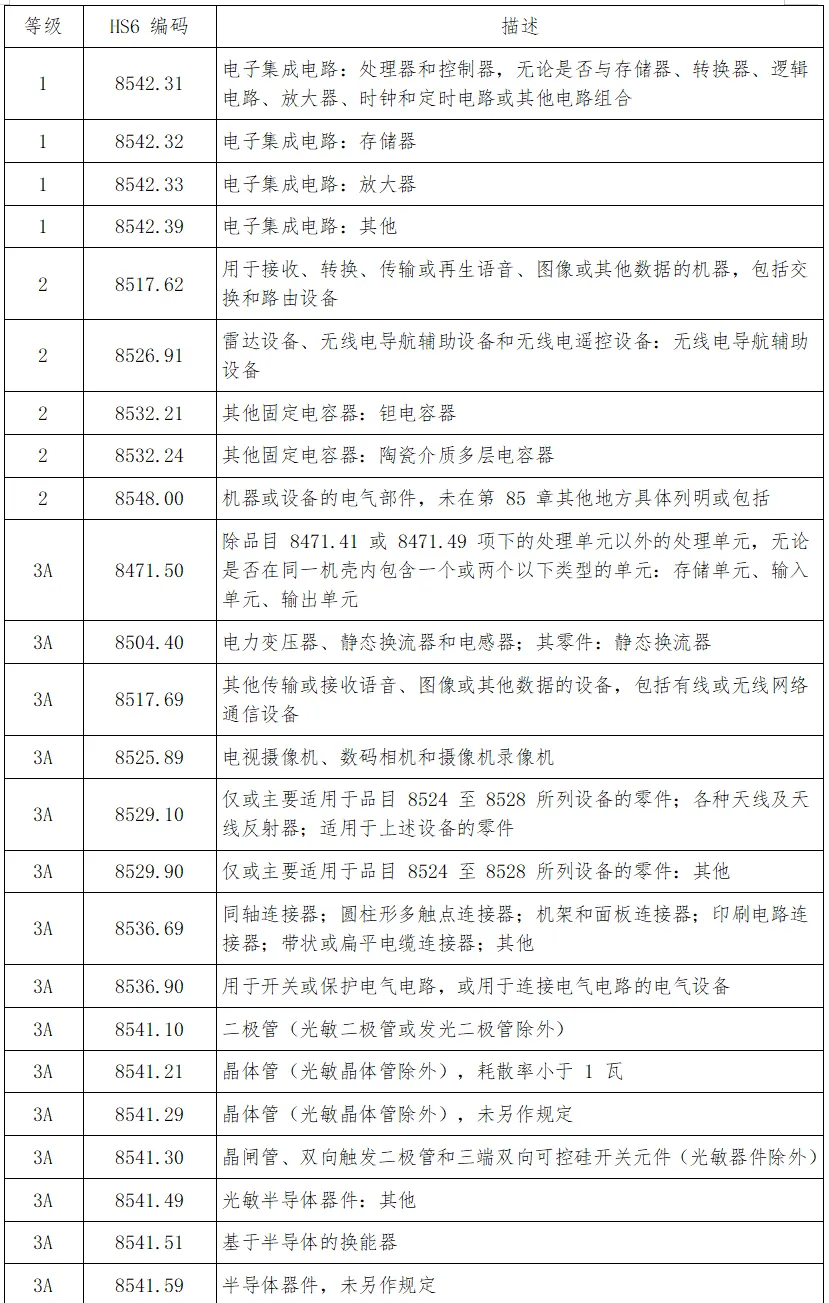
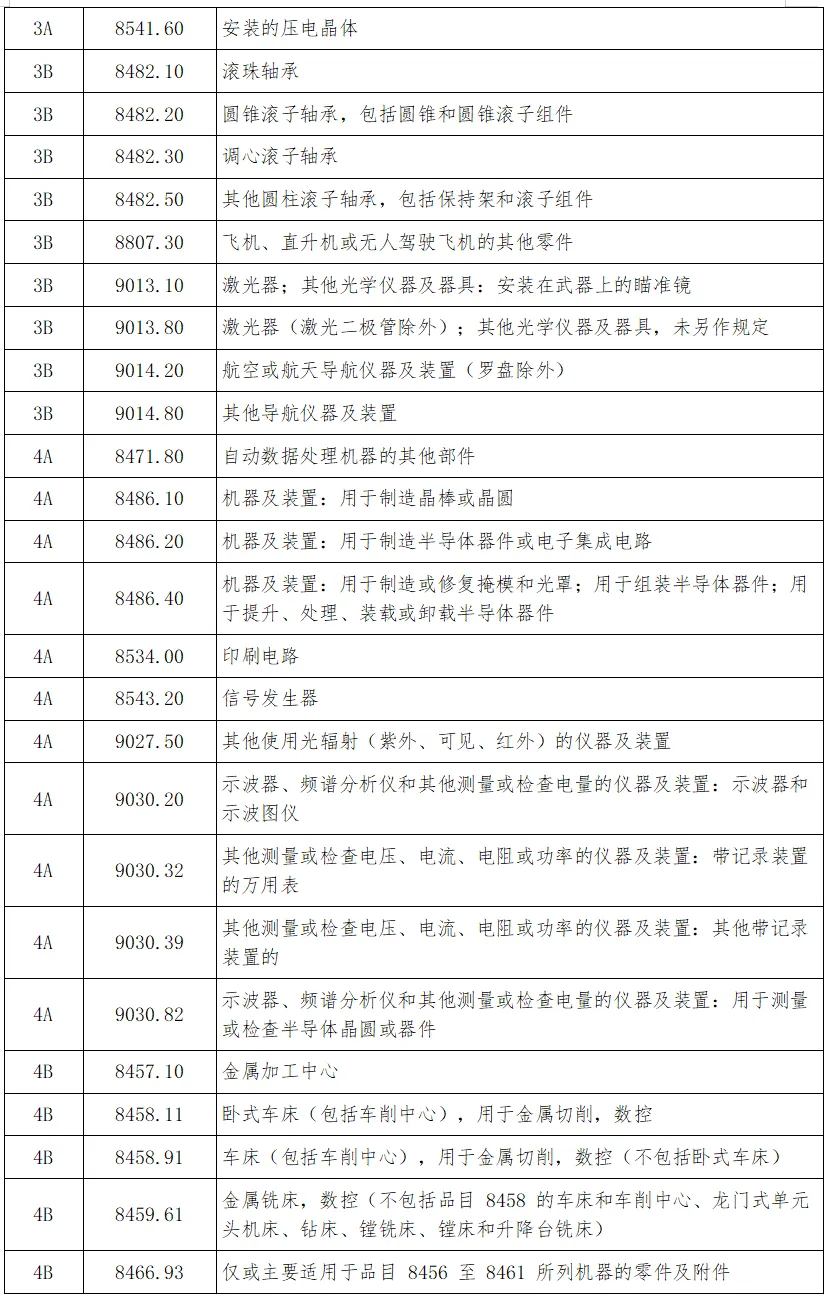
In addition to the goods listed above, sanctioned goods also include: military, defense, security, and dual-use goods and technology; refining, aviation, maritime, and space goods and technology; energy-related goods; luxury goods, etc.
② Services Covered by Sanctions
Among services provided by non-UK enterprises, UK sanctions commonly prohibit the provision of:
-
Professional and business services, including accounting, business and management consulting, public relations, advertising, architecture, auditing, engineering, and IT consulting and design services to persons connected with Russia. Additionally, legal advisory services relating to certain activities that, if conducted by a UK person or in the UK, would violate UK sanctions against Russia, are also prohibited when provided to non-UK persons.
-
For ships transporting Russian crude oil or refined petroleum products, maritime transportation, insurance, and other financial services are prohibited unless the price of such crude oil or refined petroleum products is below a specific price cap.
-
All Russian-owned or operated aircraft and vessels are prohibited from entering UK airspace, landing points, and ports.
Therefore, if Chinese enterprises are involved in Russia-related transactions involving high-priority goods or UK-sanctioned services, they must ensure compliance with UK sanctions against Russia.
(IV) Impact of Sanctions Risks on Third-Country Enterprises
For non-UK enterprises, even if they are not UK entities, if they assist in sanctions circumvention activities, they may still face UK sanctions. Indeed, the UK has already imposed sanctions on a series of non-UK enterprises found to be undermining UK sanctions objectives against Russia. In practice, sanctioned non-UK enterprises face the following consequences:
-
Asset freeze: UK banks may freeze assets of third-country enterprises or individuals involved in Russia trade, preventing cooperation with UK and international enterprises;
-
Commercial exclusion: UK enterprises may refuse to supply goods, purchase goods, repair or maintain equipment, or provide most professional and business services.
Therefore, Chinese enterprises involved in Russia-UK related trade, investment, or service exchanges must strictly verify whether transaction counterparties are sanctioned entities, whether goods are on the embargo list, and ensure disclosure of true end-use to the UK. Otherwise, even without directly violating Chinese law, they may still face commercial cooperation disruptions or international reputational damage due to UK sanctions.
II. How Should Chinese Enterprises Respond to Such Sanctions Risks?
(I) Verify “Red Flags”
When conducting Russia-UK related transactions, Chinese enterprises should verify red flags in partners, goods, payments, and other aspects—i.e., whether there are risks of violating UK sanctions regulations or transaction risks that, while not illegal, may affect future trading capabilities.
| Assessment Item | Assessment Content |
|---|---|
| Partners and Customers | 1. Whether they are sanctioned, controlled by, or connected to sanctioned persons. Connection refers to situations such as shareholding > 50%, board appointment rights, etc. |
| Goods and Shipping | 2. Whether goods and shipping routes have red flags, such as CHPL list goods, indirect routes, transshipment, abnormal logistics, etc. |
| Payment and Terms | 3. Whether payment involves Russian banks, Russian currencies, or third-country intermediaries, whether contract terms refer to restricted industries, and if the end user or end-use suggests Russia-related risks. |
For ongoing transactions or long-term contracts, regular review is also necessary, as follows:
| Specific Method | Main Content |
|---|---|
| Dynamic Monitoring | 1. Track trade flows and buyer patterns, identify anomalies in high-risk product exports. |
| 2. Regularly review customer situations, update risk assessments, and determine whether contracts should be terminated or modified. | |
| Contractual Safeguards | 1. Include compliance commitments and audit rights clauses in contracts. |
| 2. Require counterparties to provide end-use and end-user certificates. | |
| 3. Include suspension and termination clauses triggered by sanctions risks. |
(II) Establish Corporate Compliance Policies
Based on risk analysis concerning non-UK enterprises, Chinese enterprises can develop corporate compliance policies to reduce violation risks, referencing the following three points:
| Compliance Key Point | Compliance Content |
|---|---|
| High-Level Leadership | CEO-led compliance, clear division of responsibilities, conduct employee training to enhance compliance awareness. |
| Due Diligence | Conduct enhanced due diligence on customers in Russia-UK related transactions, including end-user and end-use verification. |
| Record Keeping | Retain transaction records for at least 5 years, include trade screening results, risk assessment reports, internal approval records. |
Summary and Action Plan
Faced with the UK’s increasingly stringent sanctions regime, Chinese enterprises should:
-
Stay informed — Track updates to the UK sanctions list and legislative changes.
-
Screen proactively — Conduct sanctions screening before entering transactions.
-
Train employees — Ensure relevant staff understand compliance obligations.
-
Seek legal advice — Consult professional legal counsel when in doubt.
The guidance makes clear that the UK is willing to target non-UK businesses that facilitate sanctions evasion. Chinese enterprises with any Russia or UK nexus should urgently implement or strengthen their sanctions compliance programs.
References:
[1] https://www.gov.uk/guidance/uk-sanctions-guidance-for-non-uk-businesses
Intern Shen Zidan also contributed to this article.